
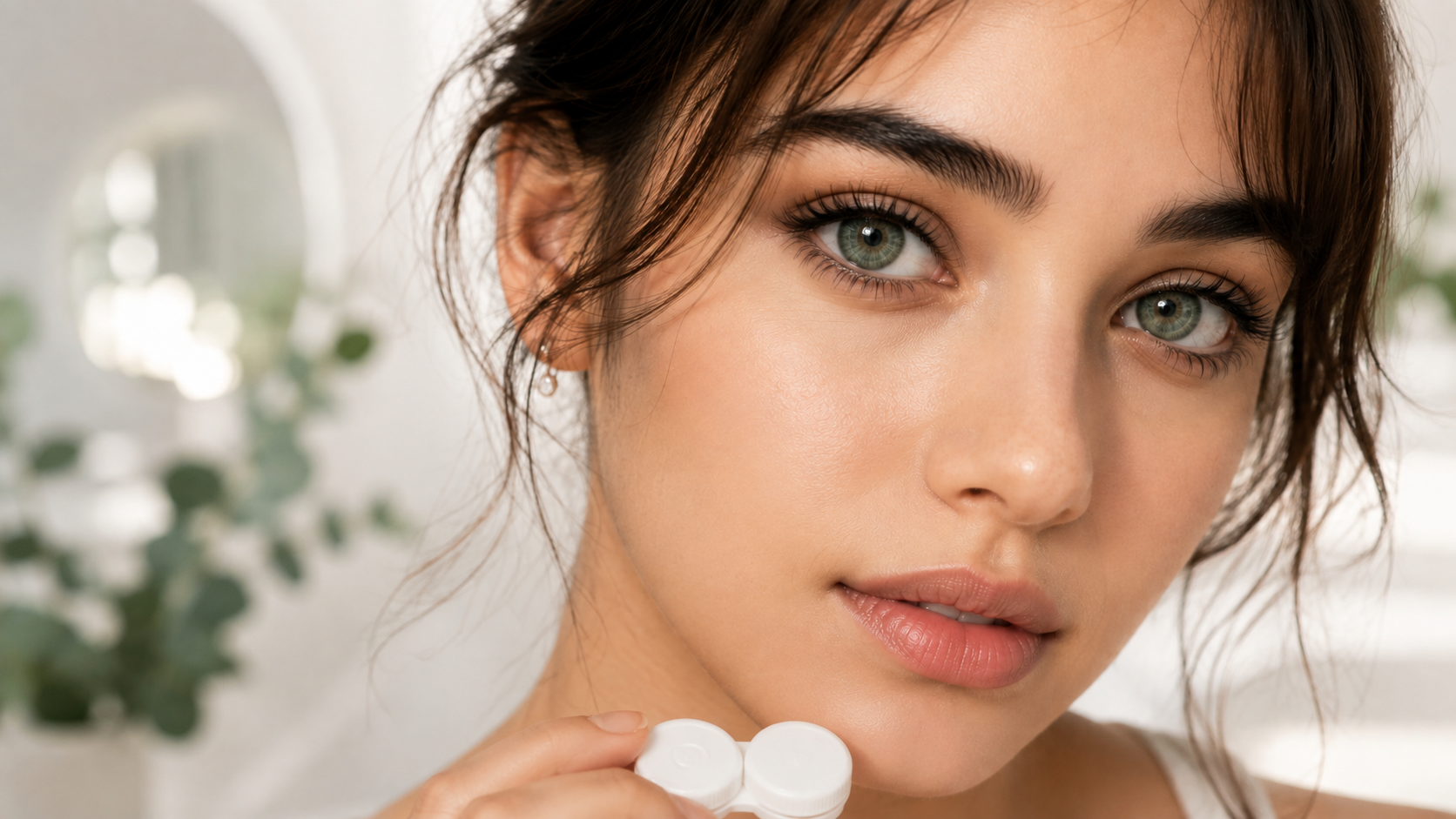
If you've ever wondered what you'd look like with hazel, green, or storm-grey eyes, you're not alone. Contact lenses that change eye color have gone from a niche costume accessory to an everyday beauty tool, and it's easy to see why a single pair can completely shift how your face reads in photos, on camera, or just walking into a room. But before you add a set to your cart, it helps to understand how these lenses actually work, which types suit your natural eye color, and how to wear them without putting your eye health at risk.
This guide walks through everything you need to know, minus the sales pitch.
How Contact Lenses That Change Eye Color Actually Work
Contact lenses that change eye color aren't just tinted glass - they're built with a printed pattern sandwiched inside the lens material, usually made from a soft, breathable hydrogel or silicone hydrogel. That printed layer sits over your natural iris but leaves the center clear, so light can still pass through your pupil normally. This is why a well-made colored lens doesn't blur or dim your vision the way a pair of sunglasses might.
The opacity of that printed layer determines how dramatic the change looks. Lighter lenses let some of your natural eye color show through, creating a softer, more blended effect. Fully opaque lenses cover your iris completely, which is what makes it possible for someone with dark brown eyes to wear a bright blue or violet shade and have it show up clearly. If you want to dig deeper into the mechanics behind this, our breakdown on how colored contact lenses change eye color covers the pigment layers in more detail.
Choosing a Shade Based on Your Natural Eye Color
Not every color reads the same way on every person, and this is where a lot of first-time buyers get surprised.
Dark Brown or Black Eyes
Because dark eyes have the most pigment to cover, you'll generally want a fully opaque lens for a noticeable change. Shades like hazel, honey, and grey tend to look the most natural, while jewel tones like violet or ice blue create a bolder, more obvious transformation. If you're set on something like green, our article on green contact lenses on brown eyes walks through which finishes show up best.
Light Brown or Hazel Eyes
Lighter natural pigment means even semi-opaque lenses will show up clearly. This gives you more room to play with subtler enhancement tints if you just want to brighten your existing color rather than replace it entirely.
Blue, Grey, or Green Eyes
If your eyes are already light, you have the most flexibility. Enhancement tints can deepen or shift your existing shade, while opaque lenses let you go in a completely different direction, like amber or violet, without much resistance from your natural color underneath.
Daily, Weekly, or Monthly — Which Wear Schedule Fits You
Contact lenses that change eye color come in the same wear cycles as regular corrective lenses, and the right one depends on how often you plan to wear colored lenses.
- Daily disposables are worn once and thrown away. They're a strong choice if you only want colored lenses for occasional events, photoshoots, or nights out, since there's no cleaning routine involved. We cover why this option appeals to a lot of first-time wearers in benefits of daily disposable contact lenses.
- Monthly lenses are reused for up to 30 days with proper cleaning and storage, and they tend to cost less over time if you wear color lenses regularly. Our comparison of daily vs weekly vs monthly contact lenses breaks down the trade-offs between cost, convenience, and hygiene for each schedule.
Whichever schedule you pick, sticking to the recommended wear time matters more for colored lenses than people expect, since the pigment layer can trap debris against the eye if a lens is overworn.
Do You Need a Prescription for Color-Changing Lenses?
This is one of the most common questions we get, and the honest answer is: it depends on where you live and whether you have a vision correction need. In the US, colored contact lenses are classified as medical devices, which means a valid fitting from an eye care professional is required even if you don't need vision correction — the fitting isn't about your prescription strength, it's about making sure the lens curve and size actually match the shape of your eye. Wearing an ill-fitting lens, regardless of whether it's tinted or clear, is what leads to most discomfort and eye irritation complaints. For a fuller explanation of the legal and safety side of this, take a look at can you wear colored contact lenses without a prescription.
Are Color-Changing Contact Lenses Safe?
Used correctly, contact lenses that change eye color carry the same general safety profile as clear corrective lenses. Problems tend to come from three habits: wearing lenses longer than recommended, skipping proper cleaning and storage, or buying from unregulated sellers who don't follow FDA-equivalent manufacturing standards. Cheap novelty lenses sold without any fitting information are a common source of eye infections and corneal abrasions, which is why sourcing lenses from a legitimate retailer matters as much as the color itself.
If you already wear contacts occasionally and are curious about the specific risks tied to tinted lenses, our article on whether colored contact lenses can damage your eyes goes through the research in plain language.
A few habits worth keeping regardless of lens type:
- Wash hands thoroughly before inserting or removing lenses
- Never sleep in lenses unless they're specifically approved for extended wear
- Replace lenses on schedule, even if they still feel comfortable
- Avoid sharing lenses with anyone else, even for a single event
- Stop wearing immediately if you notice redness, pain, or blurred vision
Everyday Wear vs. Costume Looks
Not every colored lens is meant for daily use. Some are designed with bold, stylized patterns for cosplay or costume purposes, and while they can look fantastic for a specific character, they're not always built for the comfort or breathability needed for long stretches of wear. If you're shopping for a themed look rather than an everyday color shift, it's worth choosing lenses designed specifically for that purpose rather than assuming any tinted lens will do the job comfortably for a full day.
Wrapping Up
Contact lenses that change eye color can be a genuinely fun way to switch up your look, whether that's for a single event or as part of your everyday routine — but the color is only half the equation. Getting a proper fitting, choosing the right wear schedule, and buying from a source that takes lens hygiene seriously will do more for how these lenses look and feel than the shade you pick. Start with your natural eye color, be honest about how often you'll actually wear them, and let that guide the rest of your decision.
Frequently Asked Questions
Do color-changing contact lenses work on dark eyes?
Yes. Opaque lenses are designed specifically to cover darker pigment, so even very dark brown or black eyes can show a clear color change with the right lens type.
Can I wear color contact lenses if I don't need vision correction?
Yes, plano (zero-power) colored lenses exist for exactly this purpose, though a fitting is still recommended to make sure the lens size and curve suit your eyes.
How long do colored contact lenses usually last?
This depends on the type - daily lenses are single-use, while monthly lenses can typically be worn for up to 30 days with proper cleaning and storage between uses.
Will colored lenses feel different from regular contact lenses?
Not usually. Quality colored lenses are made from the same soft, breathable materials as clear lenses, so comfort should feel similar as long as the fit is correct.
Can I wear colored contacts every day?
Yes, as long as they're approved for the wear schedule you're following and you stick to proper hygiene and replacement timing.