
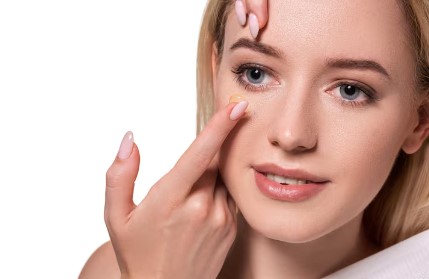
Blue eyes have long been associated with a bright, fresh, and striking appearance. For people with dark brown eyes, the idea of wearing blue contact lenses can feel exciting—but also uncertain. One common concern is whether the color will actually show up naturally or end up looking artificial.
The good news is that modern lens technology has improved dramatically. Today’s blue lenses are specifically designed to work on darker eye colors. Advanced pigmentation, layered tones, and realistic iris patterns help create a believable transformation rather than a flat or overly vibrant look.
If you are considering blue lenses for daily wear, special occasions, fashion shoots, or beauty content, understanding how they interact with dark eyes is important. The final result depends on several factors, including lens opacity, lighting, natural iris color, and the lens design itself.
This guide explains exactly what to expect when wearing blue contact lenses on dark eyes and how to choose the most realistic option for your look.
Can Blue Contact Lenses Show on Dark Eyes?
Many people assume dark brown eyes are too deep in color for blue lenses to appear properly. In the past, this concern was valid because older lenses lacked sufficient pigmentation. Modern colored lenses, however, are engineered differently.
Blue lenses designed for dark eyes contain stronger pigmentation layers. These layers help cover the natural brown tone beneath the lens while still maintaining depth and realism. Instead of simply placing a blue tint over the eye, manufacturers now use advanced color blending techniques that mimic the structure of a natural iris.
Opacity plays a major role here. Higher-opacity lenses prevent the dark brown iris from overpowering the blue shade. This allows the lens color to remain visible without appearing muddy or uneven.
Another reason modern lenses work better is their multi-tone design. Rather than using a single flat blue color, many lenses combine several tones such as gray-blue, aqua, navy, or icy blue. These layered shades help the lenses look more dimensional and realistic.
Many wearers looking for natural blue colored contacts prefer lenses that soften the transition between the pupil area and the outer iris. This creates a smoother and more believable effect on darker eyes.
How Blue Contact Lenses Appear on Dark Brown Eyes
The appearance of blue contact lenses can vary significantly from person to person. Two individuals wearing the same pair of lenses may still see different results depending on their natural eye color and surrounding features.
Dark brown eyes usually create a richer and deeper blue appearance. Instead of appearing extremely bright, the blue may look slightly muted or blended with gray undertones. This often creates a more natural finish compared to very vibrant shades.
Lighting also changes how lenses appear. Indoors, blue lenses may look softer and darker. Under natural sunlight, the blue tones often become more noticeable and vibrant. Studio lighting or flash photography can make certain lenses appear brighter than they do in everyday settings.
There is also a difference between subtle enhancement lenses and dramatic transformation lenses.
- Subtle blue lenses add cool undertones while maintaining a realistic appearance.
- Vibrant blue lenses create a bold cosmetic effect with higher visibility.
- Blue-gray styles often provide the most balanced look for dark eyes.
People shopping for colored contact lenses should remember that promotional photos are usually taken in ideal lighting conditions. Real-world appearance may be slightly softer and more blended, especially on very dark irises.
Types of Blue Contact Lenses That Work Best on Dark Eyes
Not all blue contact lenses are created equally. Certain styles perform better on dark eyes because of their opacity and color structure.
Natural Blue Colored Contacts for Subtle Enhancement
These lenses are designed to blend naturally with dark irises. They usually feature softer blue tones mixed with gray or green accents. The result is a believable eye color change suitable for daily wear.
This type works well for people who want enhancement without drawing excessive attention.
Bright Blue Lenses for Dramatic Transformation
Bright blue lenses use stronger pigmentation and higher opacity. These lenses are ideal for fashion looks, cosplay, photography, or special occasions where a striking transformation is desired.
However, very bright shades may appear less realistic during daytime use.
Blue-Gray Lenses for a Softer Appearance
Blue-gray lenses are often considered one of the best choices for dark brown eyes. The gray undertones help neutralize excessive brightness and create a softer finish.
Many users searching for natural blue colored contacts choose blue-gray designs because they offer a realistic balance between visibility and subtlety.
Choosing Natural Blue Colored Contacts for Realistic Results
Achieving a realistic result depends heavily on lens design. Even beautiful blue shades can appear artificial if the lens pattern lacks depth.
One of the most important features is a multi-tone iris pattern. Real human irises contain multiple shades and textures rather than a single solid color. High-quality lenses replicate this complexity using layered pigments and radial patterns.
Limbal rings also influence realism. A limbal ring is the darker outer edge around the iris. Soft limbal rings can define the eyes naturally and create more dimension. However, thick or overly dark rings may make lenses appear less realistic.
Lens diameter matters as well. Larger diameters create a doll-like appearance, while standard diameters generally look more natural for everyday wear.
Opacity should also match your goals. Extremely opaque lenses provide stronger coverage but may sacrifice realism. Semi-opaque lenses allow slight blending with the natural iris, creating a softer result.
When selecting natural blue colored contacts, many experienced users prefer balanced opacity with layered color transitions rather than intensely bright pigments.
Factors That Affect How Blue Lenses Look on Dark Eyes
Several personal factors influence the final appearance of blue contact lenses.
Natural Iris Color Intensity
Very dark brown eyes may slightly mute lighter blue tones. Medium brown eyes often allow more color brightness to show through.
Skin Tone and Hair Color
Blue lenses interact visually with surrounding facial features. Cooler skin tones and darker hair can create a dramatic contrast, while warmer complexions may pair better with softer blue-gray shades.
Lighting Conditions
Lighting dramatically changes lens appearance.
- Indoor lighting usually softens blue tones.
- Natural daylight increases visibility and brightness.
- Flash photography can intensify lens color.
Understanding these factors helps set realistic expectations before purchasing lenses.
Many users who want natural blue colored contacts focus not only on the lens itself but also on choosing shades that complement their overall appearance.
Tips for Making Blue Contact Lenses Look Natural on Dark Eyes
A few smart choices can make blue lenses appear significantly more realistic.
Choose Lenses Designed for Dark Eyes
Always select lenses specifically marketed for dark eyes. These lenses contain the opacity needed to create visible color transformation.
Avoid Overly Bright Shades for Daily Wear
Extremely vivid blues may look artificial in casual settings. Softer tones usually blend better with dark irises.
Look for Gradient Color Patterns
Gradient designs transition smoothly between shades and create more natural depth.
Match the Shade to Your Features
Cool blue-gray shades often suit darker hair and medium-to-deep skin tones more naturally than icy neon blues.
Prioritize Quality Over Cheap Designs
Low-quality lenses often use flat pigmentation that lacks realism. Premium lenses generally provide better color blending and comfort.
People seeking natural blue colored contacts usually achieve the best results with multi-tone designs that mimic real iris textures rather than single-tone cosmetic styles.
Comfort and Safety When Wearing Blue Contact Lenses
Appearance matters, but safety should always come first when wearing contact lenses.
Proper hygiene is essential. Always wash your hands before handling lenses and clean them using approved lens solution. Never store lenses in water or reuse old solution.
Wear time also matters. Most cosmetic lenses are designed for limited daily wear. Overwearing lenses can lead to dryness, irritation, or reduced oxygen flow to the eyes.
High-quality lenses generally offer better breathability and moisture retention. Cheap lenses may feel uncomfortable after only a few hours of use.
It is also important to purchase lenses from reputable sellers that meet proper safety standards. Even non-prescription cosmetic lenses should be handled carefully and fitted properly.
Users who regularly wear natural blue colored contacts often prioritize comfort features such as hydration technology and breathable lens materials for long-term use.
Conclusion
Blue contact lenses can absolutely look natural on dark eyes when the right design, opacity, and tone are selected. Modern lens technology allows even very dark brown eyes to achieve a visible yet realistic transformation.
The most believable results usually come from lenses with multi-tone patterns, balanced opacity, and subtle blue-gray blends. Lighting, skin tone, and natural iris depth also play important roles in the final appearance.
Whether you want a soft enhancement or a bold color change, choosing high-quality lenses designed specifically for dark eyes makes a major difference in both appearance and comfort.
For everyday wear, natural blue colored contacts often provide the ideal balance between realism, visibility, and eye comfort.
FAQs
Do blue contact lenses work on dark brown eyes?
Yes, modern blue contact lenses are designed with stronger pigmentation and opacity, allowing the blue color to show clearly on dark brown eyes.
Which blue contact lenses look most natural on dark eyes?
Blue-gray lenses and multi-tone blue lenses usually provide the most realistic appearance on dark eyes because they blend more naturally with brown irises.
Why do some blue contact lenses look darker on brown eyes?
Dark brown irises can slightly mute lighter blue tones, especially in low lighting. Lens opacity and lighting conditions both influence the final appearance.
Are blue colored contact lenses safe for daily wear?
Yes, when purchased from reputable sources and used properly. Following hygiene guidelines and recommended wear times is important for maintaining eye comfort and safety.