
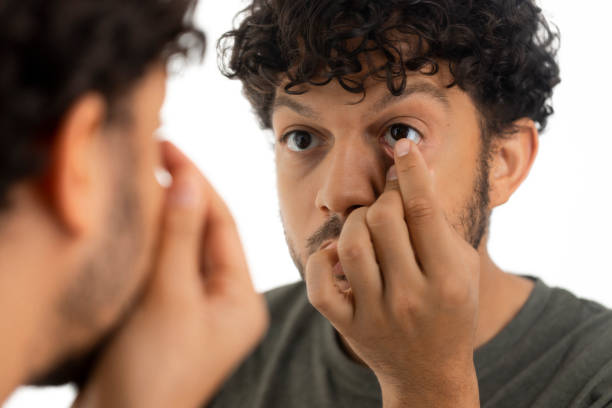
Monthly contact lenses are designed to be reused for up to 30 days with proper cleaning and storage. They offer a balance between convenience and cost-effectiveness. But daily wear time matters just as much as the replacement cycle.
Monthly contact lenses are made from durable materials that can withstand repeated use. Unlike daily disposables, these lenses require regular cleaning and proper storage. This ensures they remain safe and comfortable throughout their lifecycle.
The 30-day replacement schedule is based on material degradation and deposit buildup. Over time, proteins, lipids, and environmental debris accumulate on the lens surface. Even with cleaning, lenses become less effective and hygienic after a month.
It is also important to distinguish between daily wear and extended wear lenses. Daily wear lenses must be removed before sleeping, while extended wear lenses can be used overnight under professional guidance. Most monthly lenses fall into the daily wear category, meaning they should be removed at the end of each day. Understanding this distinction helps prevent misuse and protects long-term eye health.
If you want a deeper understanding of how different lens types compare, you can explore our detailed guide on daily vs weekly vs monthly contact lenses.
Recommended Daily Wear Time for Monthly Contact Lenses
So, how long can you wear a monthly contact lens each day?
For most users, the safe range is 8 to 12 hours per day. This window allows enough oxygen to reach the cornea while maintaining comfort.
Many professionals recommend starting with shorter wear times. New users might begin with 6-8 hours and gradually increase usage. This allows the eyes to adapt.
Why is there a limit? Contact lenses reduce the amount of oxygen that reaches your eyes. Even high-quality lenses with good oxygen permeability have limits. Wearing lenses too long can lead to dryness and irritation.
Several factors influence safe wear time:
- Individual eye sensitivity
- Tear production levels
- Screen exposure
- Environmental conditions
People who work long hours in front of screens may feel discomfort sooner. Similarly, those in dry or air-conditioned environments may need shorter wear durations.
Listening to your eyes is key. If discomfort starts, it is best to remove the lenses rather than push through.
Signs That You Have Worn Your Contact Lenses Too Long
Overwearing lenses can lead to noticeable symptoms. Recognizing these early can prevent complications.
Common signs include:
1. Eye Dryness or Irritation
A dry or scratchy feeling is often the first warning. It may worsen throughout the day.
2. Blurred or Fluctuating Vision
If your vision becomes inconsistent, it could indicate dehydration or deposits on the lenses.
3. Redness or Discomfort
Red eyes signal reduced oxygen supply or irritation from prolonged wear.
If you experience any of these symptoms while using a monthly contact lens, remove it immediately. Continuing to wear lenses in this state can increase the risk of infection.
Persistent symptoms should not be ignored. Consulting an eye care professional is always the safest step.
Why Proper Cleaning Is Essential for Monthly Contact Lenses
Unlike disposable lenses, monthly lenses require strict hygiene practices.
Each time you wear a monthly contact lens, it collects microscopic debris. This includes proteins from tears, dust, and pollutants. If not cleaned properly, these deposits build up quickly.
Cleaning lenses daily helps remove these contaminants. It also reduces the risk of bacterial growth.
Key practices include:
- Rubbing and rinsing lenses with a recommended solution
- Never using tap water
- Replacing the storage solution daily
- Cleaning the lens case regularly
Proper storage is equally important. Lenses should be kept in a clean, disinfected case filled with fresh solution.
Neglecting hygiene can lead to serious eye infections. Even high-quality lenses cannot compensate for poor cleaning habits.
Factors That Affect How Long Monthly Contact Lenses Can Be Worn
Not all users can wear lenses for the same duration. Several variables affect wear time.
1. Lens Material and Oxygen Permeability
Modern lenses are designed to allow more oxygen to pass through. Higher oxygen permeability generally supports longer wear times.
2. Eye Dryness and Sensitivity
Some people naturally produce fewer tears. This can limit how long a monthly contact lens remains comfortable.
3. Environmental Conditions
Dry air, pollution, and prolonged screen use all contribute to discomfort. Air-conditioned spaces can accelerate lens dehydration.
4. Lifestyle Habits
Long work hours, travel, and irregular routines also impact lens wear. For example, frequent flyers often experience increased dryness.
Understanding these factors helps users adjust their wear schedule. It also highlights the importance of personalized eye care advice.
Tips for Wearing Monthly Contact Lenses Comfortably All Day
Wearing lenses comfortably requires more than just following the time limit. Small habits can make a big difference.
- Use lubricating eye drops if recommended by your eye care professional
- Take breaks from screens to reduce eye strain
- Avoid exceeding the recommended wear time
- Always replace lenses on schedule
If you rely on a monthly contact lens for daily use, consistency is key. Skipping cleaning routines or extending usage can quickly lead to discomfort.
Also, make sure to follow trusted sources when choosing products. Many users search for options like tolytolly contact lenses when exploring reliable solutions in the market.
Comfort is not just about the lens itself. It is about how you use and care for it.
When You Should Avoid Wearing Contact Lenses
There are situations where wearing lenses is not advisable.
1. Eye Infections or Inflammation
Conditions like conjunctivitis require immediate lens removal. Continuing use can worsen the problem.
2. Severe Dryness or Irritation
If your eyes feel excessively dry, give them a break. Glasses are a better option during recovery.
3. Post-Surgery or Medical Conditions
After certain procedures, your doctor may advise against lens use temporarily.
Even if you regularly wear a monthly contact lens, it is important to recognize when your eyes need rest. Ignoring these signals can lead to long-term issues.
Conclusion
Monthly contact lenses offer a convenient option for regular lens wearers. But safe daily wear time is essential for maintaining eye health.
Most users can wear lenses comfortably for 8-12 hours per day. However, individual factors such as eye sensitivity and environment play a role.
By following recommended wear durations, maintaining proper hygiene, and replacing lenses on schedule, users can enjoy both comfort and safety. Responsible use ensures that a monthly contact lens remains a reliable vision solution over time.
FAQs
How many hours can monthly contact lenses be worn each day?
Most people can safely wear them for 8–12 hours, depending on comfort and eye health.
Is it safe to wear monthly contact lenses for more than 12 hours?
Occasionally, it may happen, but regularly exceeding this limit can cause dryness and irritation.
Can you sleep with monthly contact lenses?
Only if they are specifically approved for extended wear and prescribed by a professional. Otherwise, no.
What happens if you wear monthly lenses longer than recommended?
It can lead to discomfort, reduced oxygen supply, and increased risk of infection.